
According to the Ministry of Agriculture and Rural Development (MARD), Vietnam has identified 13 key national agricultural products that play a crucial role in the country’s economy and export structure.
Vietnam’s 13 Core Agricultural Products
- Rice
- Coffee
- Rubber
- Cashew
- Pepper
- Tea
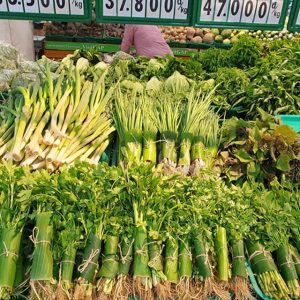
- Vegetables and Fruits
- Cassava and Cassava Products
- Pork
- Poultry Meat and Eggs
- Pangasius (Basa Fish)
- Shrimp
- Wood and Wood Products
These products represent the backbone of Vietnam’s agricultural sector — contributing significantly to export value, employment, and rural development. Among them, rice, coffee, and seafood are consistently ranked among the country’s top export earners.
Learning from Global Experience
Around the world, many countries have defined their key agricultural products to prioritize investment and policy support. However, there is no universal standard for identifying such products.
Each nation determines its focus areas based on its natural conditions, economic strengths, social context, and security objectives. This ensures that agricultural strategies align with both national development goals and local realities.
Four Common Criteria for Identifying Key Agricultural Products
Through international studies and policy experiences, four main groups of criteria are often used to identify key agricultural products:
- Economic Criteria – including production value, market potential, and export competitiveness.
- Social Criteria – assessing employment creation, income generation, and poverty reduction impact.
- Environmental Criteria – considering sustainability, resource use, and ecological impact.
- Development Priority Criteria – focusing on government support, technological potential, and value chain improvement.
Toward Sustainable Growth
Vietnam’s agricultural sector continues to evolve — shifting from quantity to quality and sustainability. By identifying and nurturing these 13 key products, the country aims to strengthen its global reputation, ensure food security, and promote sustainable rural livelihoods for future generations.